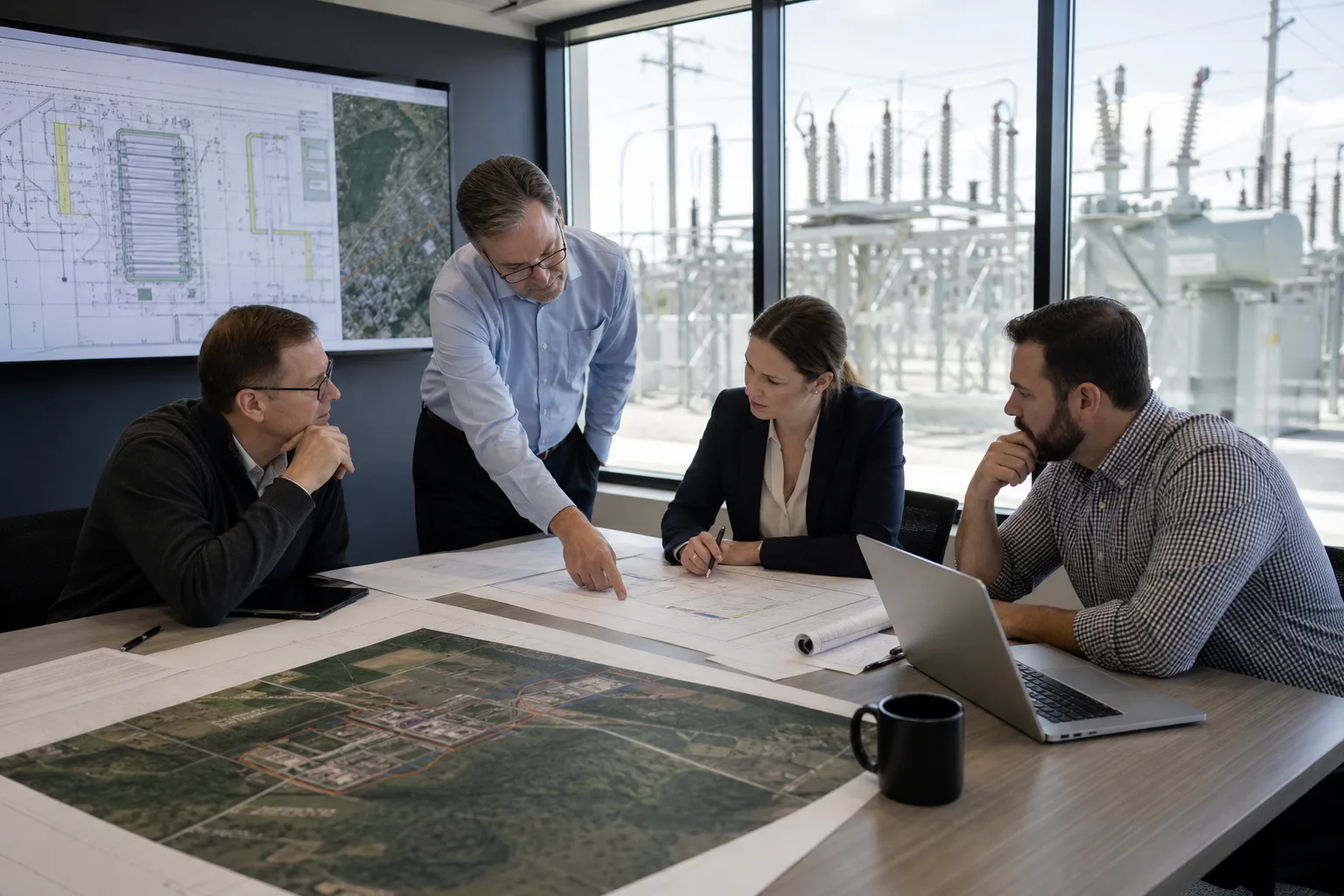
On a high-density AI build, the owner sits at the center of a program that includes designers, contractors, equipment vendors, the utility, and eventually an operations team — most of whom are accountable to their own scope, not to the owner's outcome. An owner's representative exists to fill that gap: to be the party whose only interest is the owner's, holding the whole program to the schedule, the budget, and the technical intent the owner actually bought.
Accountability the owner doesn't otherwise have
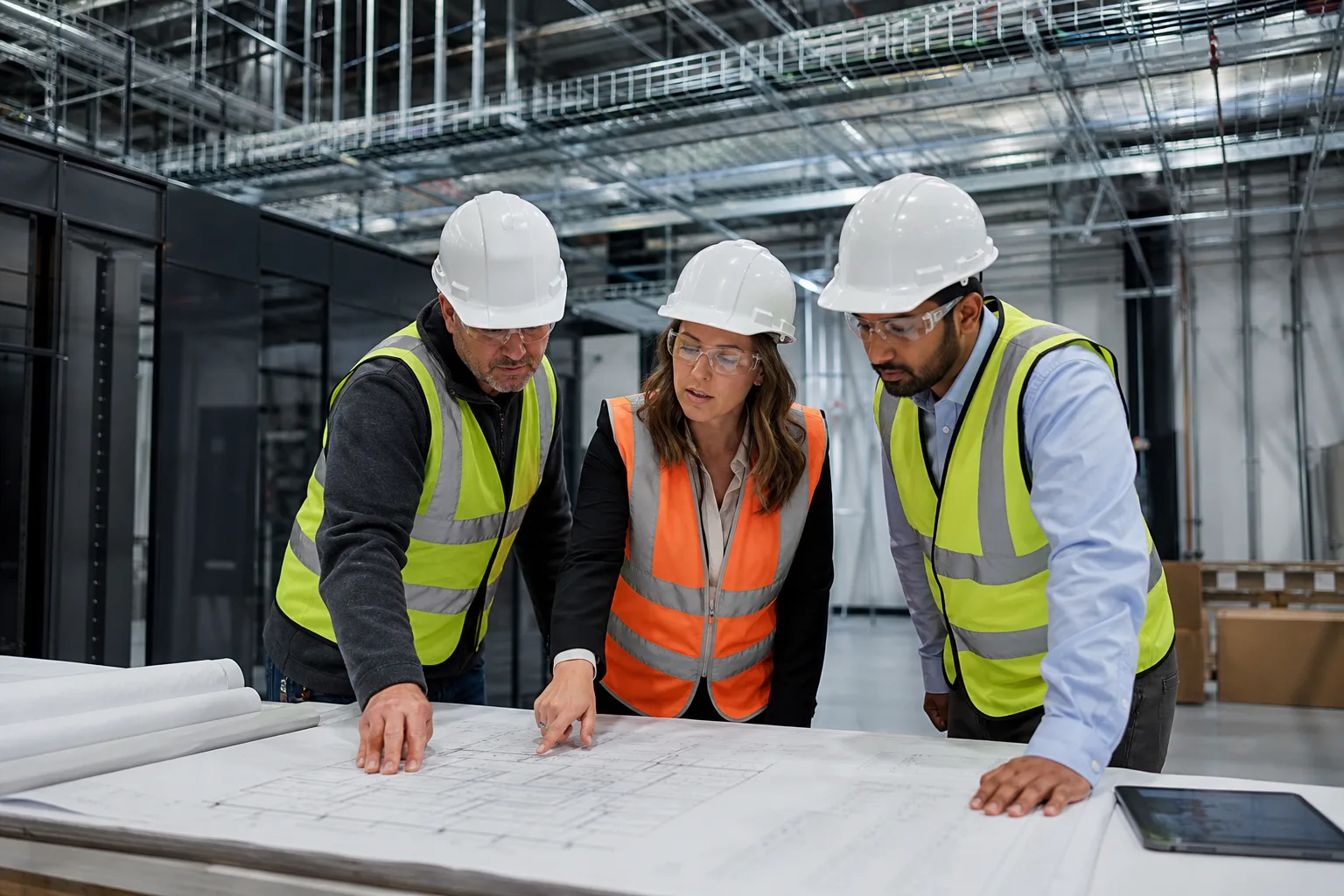
Each participant in a build optimizes for their own deliverable. That is not bad faith — it is how scoped contracts work. But it leaves the owner exposed at every seam: where the design hands off to construction, where one trade depends on another, where a vendor's lead time slips into someone else's critical path. An owner's representative watches those seams full-time, with the authority and the technical depth to catch problems while they are still cheap to fix.
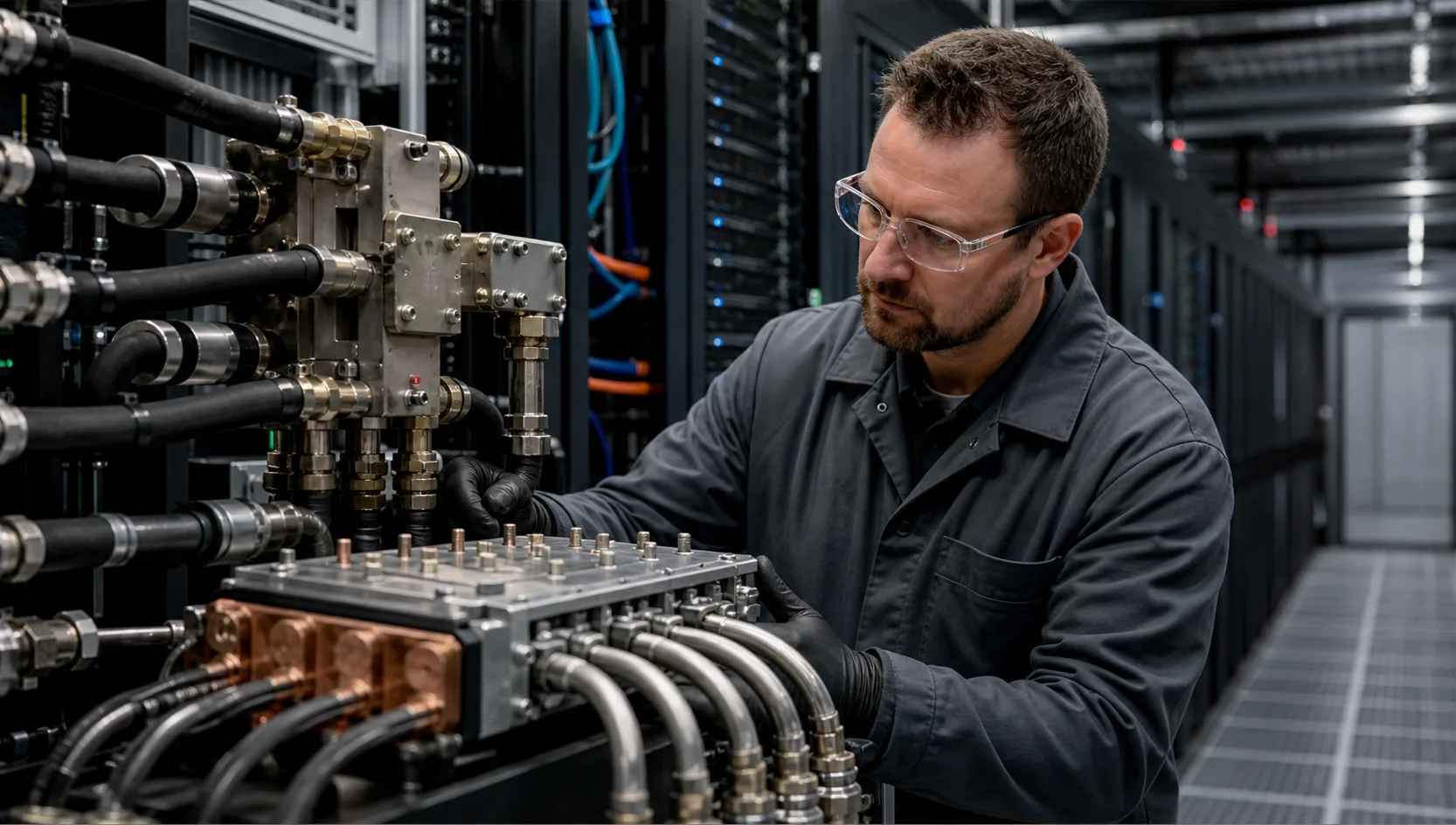
On high-density programs the seams are where risk concentrates. Power, cooling, and structured cabling all converge on the same white space at the same time, and a missed dependency there can cascade across the schedule. Independent oversight is what keeps that convergence coordinated.
Where it pays for itself
Owner-side program management earns its cost in the decisions it prevents from going wrong: change orders questioned before they are signed, schedule slips caught before they compound, design intent defended against value-engineering that quietly erodes resilience. None of these show up as a line item, which is exactly why they are easy to under-resource — and exactly why the role is the cheapest insurance on a program of this scale.
How CloudData.Center helps
We act as owner-side program managers and construction coordination partners — providing the independent accountability, controls, and reporting that protect your schedule, budget, and technical intent across every participant in the build.